
- RbcSepticServices
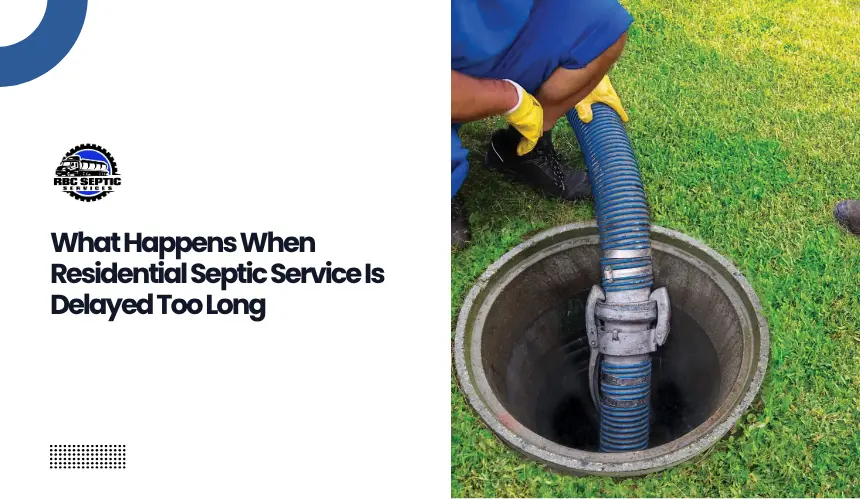
What Happens When Residential Septic Service Is Delayed Too Long
Residential septic systems are designed to operate quietly and efficiently in the background of daily household life, which often leads homeowners to underestimate how dependent system performance is on timely, routine care rather than emergency response alone.
When residential septic service is delayed for extended periods, problems rarely appear all at once; instead, pressure builds gradually within the tank, drainfield, and connecting plumbing, creating a chain reaction that compromises system health, property conditions, and long-term repair costs, a pattern routinely observed by experienced providers such as Rbc Septic Services.
Delayed Septic Service Disrupts Normal Wastewater Processing
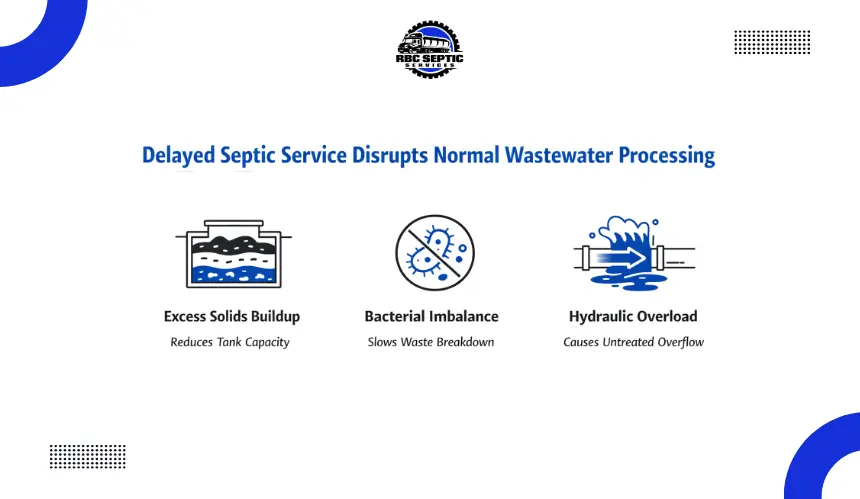
A septic system relies on a balance between waste input, bacterial breakdown, and soil absorption, so delays in service can interfere with processes that must remain stable to function correctly. When routine pumping and inspection are postponed, solids accumulate beyond safe levels, reducing system capacity and altering wastewater flow.
Excess solids reduce tank efficiency and usable volume
As solids accumulate in the septic tank, they displace the space intended for wastewater separation, limiting the system’s ability to settle solids and clarify effluent before it reaches the drainfield. This reduced efficiency forces untreated or partially treated waste to move forward prematurely, increasing strain on downstream components that are not designed to handle high solid loads.
Bacterial imbalance slows natural waste breakdown
Healthy septic systems depend on anaerobic bacteria to gradually break down organic waste, but excessive accumulation of solids and scum disrupts this biological balance. When bacterial activity becomes overwhelmed, decomposition slows significantly, prolonging waste’s time in the tank and increasing the likelihood of odors, backups, and premature system stress.
Hydraulic overload becomes more likely over time
When tank capacity is compromised, even normal daily water usage can exceed the system’s ability to process and disperse effluent effectively. This hydraulic overload pushes wastewater through the system faster than intended, reducing treatment quality and accelerating wear on pipes and drainfield components.
Plumbing Backups and Indoor Disruptions Are Often the First Warning Signs
One of the earliest and most disruptive consequences of delayed residential septic service is interference with household plumbing, because the septic system is directly connected to every drain, toilet, and appliance that uses water. These issues often appear gradually, making them easy to ignore until they become severe.
Slow drains indicate rising resistance within the system
Slow drainage throughout the home often signals that the septic tank is nearing capacity and struggling to accept incoming wastewater. As resistance increases, plumbing fixtures drain less efficiently, creating symptoms that resemble simple clogs but actually originate from system-wide pressure rather than isolated pipe blockages.
Sewage backups reflect advanced system overload
When delayed service allows solids and effluent levels to rise unchecked, wastewater may reverse direction and back up into lower-level drains or toilets. These events indicate that the septic system can no longer safely manage inflow, creating health hazards, property damage, and immediate service needs that are far more disruptive than routine maintenance would have been.
Odors inside the home signal venting and treatment failure
Persistent sewage odors inside living spaces often result from trapped gases escaping due to pressure imbalances or incomplete waste treatment. These odors are not merely unpleasant; they indicate that the system’s biological and hydraulic processes are no longer functioning as designed.
Drainfield Damage Becomes More Likely With Prolonged Delays
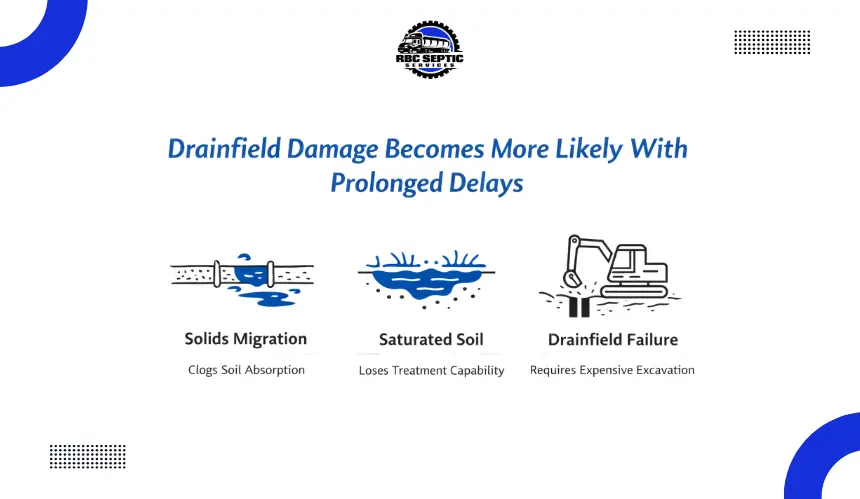
The drainfield is one of the most vulnerable and expensive components of a residential septic system, and it depends on properly treated effluent entering at controlled volumes. When septic service is delayed, the drainfield is often exposed to conditions it was never designed to handle.
Solids migration clogs soil absorption pathways
Excess solids that escape the tank travel into the drainfield, where they clog soil pores and distribution lines, reducing the soil’s ability to absorb and filter wastewater. Once these pathways are blocked, even reduced water usage may not restore normal function, making damage difficult or impossible to reverse.
Saturated soil loses treatment capability
When untreated or excessive effluent enters the drainfield, soil becomes oversaturated, eliminating the oxygen needed for further biological treatment. This condition leads to pooling, surface seepage, and foul odors, all of which indicate advanced failure rather than routine maintenance needs.
Drainfield failure often requires major excavation
Unlike tank pumping, drainfield repairs frequently involve excavation, soil replacement, and system redesign, making them among the most costly outcomes of delayed residential septic service. These repairs disrupt property use and landscaping while significantly increasing total ownership costs.
Environmental and Property Risks Increase Over Time
Septic systems that are not serviced regularly pose risks beyond the immediate household because improperly treated wastewater can affect surrounding soil, groundwater, and nearby surface water sources. These risks often remain hidden until damage is already widespread.
Groundwater contamination becomes a serious concern
When effluent is inadequately treated, harmful bacteria, nutrients, and pathogens can migrate into groundwater, particularly in areas with permeable soils or high water tables. This contamination poses health risks and may affect wells or neighboring properties without visible warning signs.
Surface pooling damages lawns and outdoor areas
Failing septic systems often cause wastewater to surface in yards or low-lying areas, damaging turf, creating unsanitary conditions, and limiting safe outdoor use. These visible impacts usually indicate advanced system stress rather than early-stage issues.
Regulatory and compliance issues may arise
Environmental contamination or visible system failure can trigger inspections, fines, or mandatory repairs, particularly in regulated areas. Delayed septic service increases the likelihood of enforcement action, adding legal and financial consequences to an already costly situation.
Repair Costs Escalate as Maintenance Is Deferred
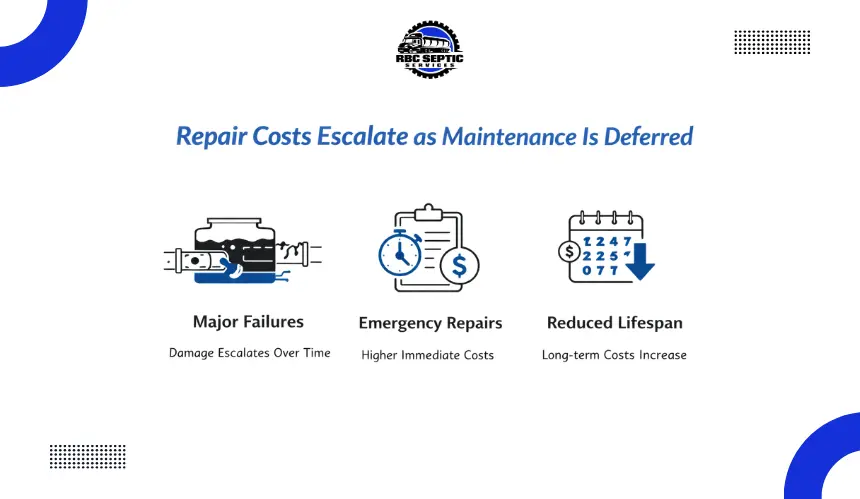
One of the most overlooked consequences of delaying septic service is the rapid escalation of costs when routine care is skipped. Preventive service is predictable and manageable, while reactive repairs often involve multiple system components.
Minor issues compound into major failures
Small problems such as rising sludge levels or early drainage inefficiency are inexpensive to address when caught early, but they compound silently over time. Delayed service allows these issues to cascade into tank damage, pipe failure, and drainfield collapse.
Emergency repairs cost more and offer fewer options
When systems fail unexpectedly, homeowners often face limited repair options due to urgency, site conditions, or regulatory requirements. Emergency interventions typically cost more and provide fewer opportunities for phased or preventive solutions.
System lifespan shortens without routine care
Septic systems that receive consistent residential septic service often function reliably for decades, while neglected systems may fail prematurely. Reduced lifespan increases long-term ownership costs and complicates future property transactions.
Frequently Asked Questions About Delayed Residential Septic Service
How long can a septic system go without service?
The timeframe varies by usage and tank size, but delaying service beyond recommended intervals significantly increases failure risk.
Are slow drains always a septic problem?
Not always, but widespread slow drainage often indicates septic system stress rather than isolated plumbing clogs.
Can delayed septic service damage the drainfield?
Yes, excess solids and untreated effluent can permanently damage drainfield soil and distribution lines.
Is septic odor a sign of serious trouble?
Persistent odors usually indicate treatment or ventilation failure and should not be ignored.
Does regular septic service reduce long-term costs?
Yes, routine service prevents costly repairs, extends system lifespan, and reduces emergency interventions.
Final Perspective on the Cost of Delaying Septic Care
Residential septic systems rarely fail without warning; instead, they deteriorate gradually when routine service is postponed, allowing small, manageable issues to evolve into disruptive and expensive problems. Residential septic service functions as a preventive system care, protecting plumbing, drainfields, soil, and the surrounding environment while preserving long-term reliability. When service is addressed proactively rather than reactively, homeowners maintain control over costs, system performance, and property health rather than responding to failures after damage has already occurred.